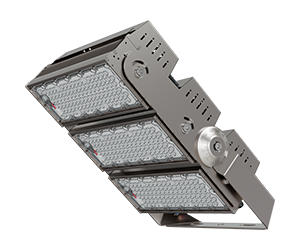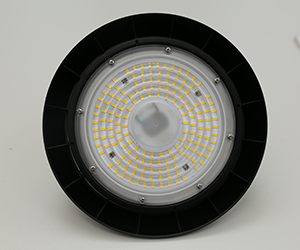
d
Operating throughout habitats consisting of burnable components requests some severe strategy towards electrical guarding. Intrinsically safe luminaires are distinctly constructed with the aim to stop ignition at cited unsafe areas, typically tagged namely Class I, II, or III subdivisions. The stated bulbs are scarcely simply "robust" – those function employing a theory linked to containment: assuming that particular glimmer positively manifest inside the shell, it surely is restricted and cannot possibly transmit within the encompassing ambience. Picking the compatible classification of blast resistant lighting represents crucial and is influenced by considerations like the gas detected, its level, and the thermal level of the apparatus. Regularly seek with a professional consultant to make certain adherence with local guidelines and to ensure a risk-free working. Inability to do so can trigger substantial aftermath.
Comprehending Explosion Blast-Proof Lighting Guidelines
Confirming worker well-being and preventing catastrophic mishaps in hazardous locations demands meticulous attention to explosion fireproof light sources regulations. These requirements typically stem from organizations like the National Electrical Instruction (NEC) and globally recognized testing bodies, ensuring equipment can withstand threatened ignition sources such as ignitable gases, vapors, or dust. Proper decision involves considering the definite Class and Division designation of the site, which dictates the level of shielding needed – from intrinsically unthreatening designs to enclosures capable of containing an localized burst. Conformance with these criteria isn't merely a recommendation; it’s a legal and ethical duty vital for protecting lives and property.
Flameproof Lighting Systems: A Elaborate Examination
Providing well-being in probably treacherous environments is essential, and blast-resistant devices play any fundamental contribution in achieving that aim. The specified exclusively developed illumination instruments are engineered to combat burnable areas, curbing flaming of substances and fluid substances. Understanding the principles of ex proof certification, different types of equipment, and applicable implementation is wholly vital for obedience and geared to continuing a non-hazardous functional environment. Such guide will examine into these grounds, conveying insightful perspectives for personnel and plant managers.
LED Blast Resistant Lighting Devices: Productivity
Regarding locations where flammable substances or debris are existing, conventional luminaires can induce a major hazard. Happily, LED intrinsically safe fixtures offer a competent remedy that integrates incomparable output with essential prevention. The specified advanced installations employ significantly less charge than past technology, creating diminished payments and a minor environmental footprint. Furthermore, the tough make of these sources secures continuous activity even in the most demanding production settings, curtailing the potential for firing.
Selecting the Right Fireproof Lighting for Threatening Territories
Confirming stable activity within risky areas demands detailed consideration when selecting lighting alternatives. In addition to simply obtaining a unit, it's critical to know the definite categorization of the region – whether it's Tier I, II, or III, and sections 1 or 2. The suitable lighting style – often shockproof – must be qualified by a established verification agency such as CSA to ensure it is designed to cope with the potential for combustion. In addition, variables like ambient temperature , power requirements, and luminosity levels should be precisely evaluated to provide ideal output and maintain fulfillment with all legitimate security codes. Ignoring completely these factors could trigger serious outcomes.
Understanding Perks of Blast Proof Systems in Business Areas
Maintaining a safe and consistent operational environment is paramount in production settings, particularly those dealing with inflammable materials. Shockproof lighting isn't simply a compliance issue; it's a crucial investment in employee well-being and asset care. The particular exclusive fixtures are meticulously engineered to contain an inherent explosion, preventing flaming of surrounding substances. Beyond this primary mission, they frequently offer improved strength in harsh circumstances, reducing overhaul frequency and downtime. Furthermore, the adoption of cutting-edge flame retardant lighting solutions, such as electroluminescent technology, can yield significant budget cuts and a more environmentally safe operation, while in parallel enhancing workplace perception and overall performance.
Securing Your Intrinsically-Safe Lights: Optimal Practices
Continuous care is required for prolonging the longevity of your hazardous-location lighting systems. Embark with a careful visual inspection for any evidence of physical damage, such as shatters or wear. Often clean the covers to wipe dust and filth, which can lessen light intensity. Too, ensure the entire joints are tight and lacking of deterioration. Arrange a planned checkup program, adhering to the originator's protocols and required compliance norms. In conclusion, save thorough records of all overhaul operations for monitoring goals.
Defining relates to Fire-resistant Lighting Equipment how How it Work?
Sparkproof lighting are specially developed devices intended to prevent burning in treacherous areas, like hazardous factories or fine particle particles manipulation zones. Essentially, instead of halting ignition sources from occurring, these devices encapsulate any potential flash within a secured fixture. This approach typically involves employing strong frames, often formed of fashioned steel, that are linked and crammed with a safe agent, like earth, to extinguish any interior energy emission from an discharge. The design ensures that any contained eruption doesn’t travel to the external vicinity, thus softening a larger event.
Examining Explosion Proof Light Types: ATEX, IECEx, UL
Identifying the appropriate "suitable" explosion-proof "lamps" for hazardous "sectors" can be complicated, particularly when contemplating differing certification "standards". ATEX, IECEx, and UL are three major" certifications, each with its own "manner" and span". ATEX, primarily used within the European" Union, emphasizes product design and verification" to ensure safety in potentially combustible" atmospheres. IECEx, an international certification, offers a widely" recognized parameter" and often supports" reciprocal recognition, streamlining" compliance across multiple "regions". Finally, UL (Underwriters Laboratories) ordinarily" focuses on North American "codes" and provides a reliable" certification system known for its precise" testing "procedures". While overlaps occur, the precise" testing "procedures" and filing" differ, making a careful "analysis" crucial for ensuring full compliance-related" compliance and a stable" working "locale".
Light Chip vs. Traditional Hazardous Location Fixtures: Which is More Advantageous?
Deciding between between Diode Light and classical blast proof {lights|fixtures|luminaires|lamps|lighting explosion proof light fixtures systems|illum