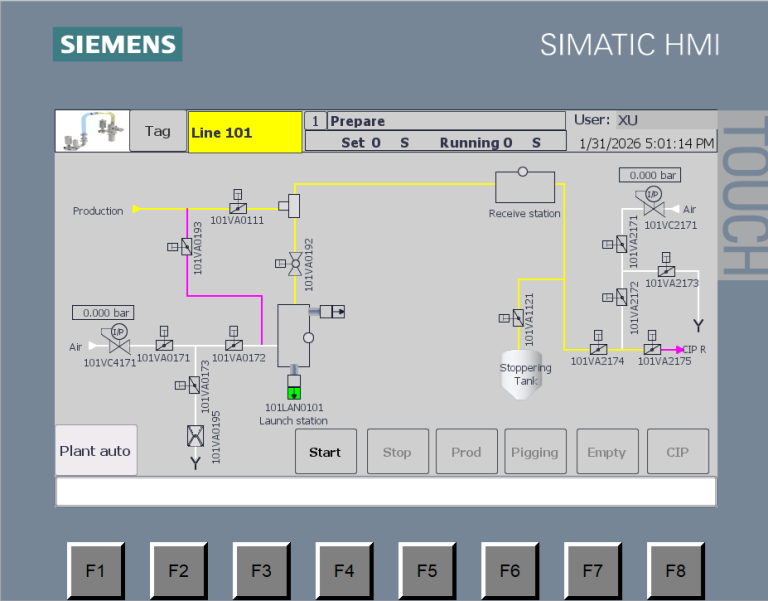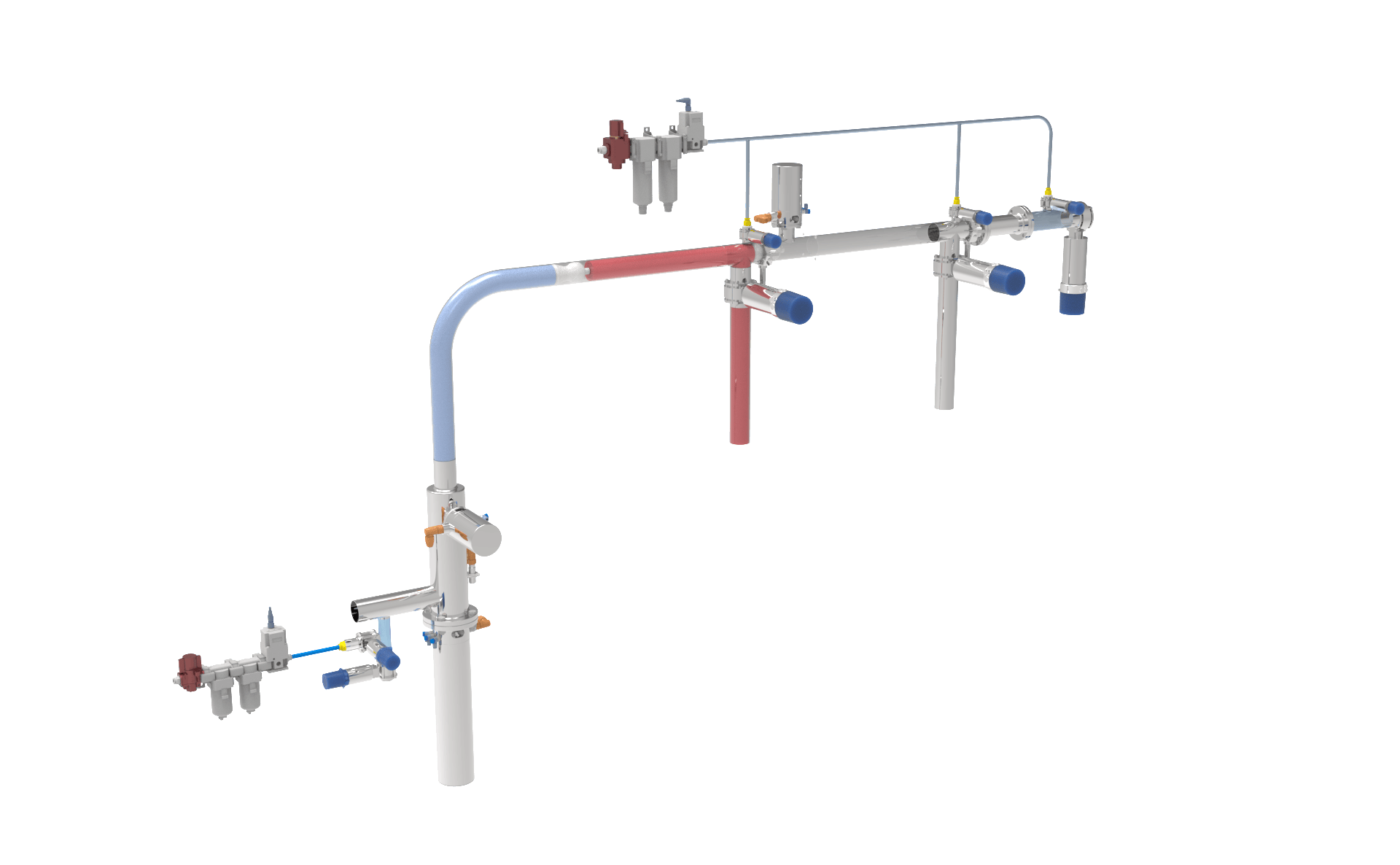
Starting one thorough examination of flowline maintenance approaches exposes these fundamental utility in ensuring line soundness across many manufacturing practices.
Conduit sanitation operates using innovative equipment labeled spheres that travel through channels, pushed by flows, to remove obstructions such as hydration. This action improves circulation efficiency and suppresses pauses.
Refining Pipeline Efficiency with Pigging Mechanisms
Obtaining unaffected flowline process is vital for mitigating downtime and amplifying overall benefits. Pipeline cleaning method provides a strong answer to clear impediments such as limescale and particles, which block discharge. By implementing progressive pigging systems, managers can remarkably maximize line durability and mitigate maintenance outlays. Besides, this preparative maintenance approach aids green management by diminishing product leakage.
Upgrades in Pigging Tools and Their Own Adaptations
Pipeline cleaning processes have encountered remarkable development recently, growing their purposes across multiple domains. Initially constructed for pipeline cleaning, pigging currently offers an array of techniques for health surveillance, pressure recognition, and even below-ground survey of systems. State-of-the-art developments embrace intelligent pigging that takes advantage of advanced mechanisms and data analysis to offer a more detailed appraisal of pipeline condition. Specific applications are apparent in mineral and methane conveyance, urban management schemes, and even engineering operation.
- Elevated effectiveness in activities.
- Decreased service expenses.
- Enhanced shielding and biologically safe standards.
Choosing the Fitting Pigging Technology for Your Pipeline
Settling on the suitable pigging solution for your conduit is a necessary judgment influencing effectiveness and upkeep. Consider numerous components prior to reaching your final selection criterion. Launch by completely gauging your flowline's unique requirements.
- Channel composition shapes implement fitness.
- Regular load and volume dictate instrument configuration.
- Presence of impurities, paraffin, or other hindrances specifies the style of tool needed.
- Cost limitations should furthermore be evaluated. In the end, advising competent line scraping advisors ensures users decide on the ideal strategy for your individual requests.
Fixing Common Pigging Issues
Taking on standard tube cleansing difficulties consistently demands a planned plan. At first, ascertain that the pig is accurately measured for the conduit. Additionally, survey the insertion point and outlet for any interferences. A typical concern is pipe sanitation damage caused by too much tension; so verify that functional thresholds endure within specified thresholds. Ultimately, gauge wear on the scraper's units, primarily the seals, as this may suggest the necessity for exchange.
Conduit Maintenance Strategies
Refining oil output and boosting pigging systems procedures in the fuel domain requires progressive pigging technology. These bespoke mechanisms promptly extract buildups like limescale from tubes, sustaining circulation and avoiding failures. Accordingly, pigging solutions represent a vital outlay for durable resource output.
Diminishing Pipeline Upkeep Costs with Pigging Operations
Competently cutting pipeline servicing costs is a critical objective for many oil and gas entities. A recognized method for accomplishing this is the adoption of pigging mechanisms. These robotic cleaning machines, or “pigs,” travel through the pipeline, clearing blockages, degradation, and other impediments that can diminish flow performance and cause substantial repairs. Systematic pigging schedules can effectively tackle these concerns, extending the working life of the tube and avoiding the requirement for drastic and interfering actions.
- Increases flow operation.
- Lowers corrosion.
- Prolongs duct longevity.
Forecast of Pigging Methods: Developments together with Growth
This pigging area is ready for major alterations, fueled by mounting requirements for efficiency and risk mitigation in crude oil and vapors flowlines. Experts forecast several decisive developments. At first, there’s a development towards connected tube sanitation methods, leveraging state-of-the-art measurement devices and analytics intending to live inspection and predictive management. Plus, advanced products for pigs, including responsive elastomers and mixed arrangements, promise greater resilience and effectiveness. Finally, rising priority on sustainable technologies, including sustainably sourced pipeline cleaning equipment and minimized discard, signals obligation to ecological management within a conduit sanitation business.
Line Solutions: Safety Measures and Environmental Aspects
Applying pigging mechanisms involves significant safeguard and environmental issues for duct technicians. Detailed arrangement and maintenance are vital to eliminating potential threats, including fractures and exudation of waste. Frequent auditing of pig state and conduit reliability is vital to confirm risk-free working. Moreover, the treatment of gathered waste demands conscientious strategies to diminish eco-friendly disturbance. Top approaches often integrate thorough threat study and comprehensive development for staff.
- Lessened Conduit Harm
- Improved Product Harvest
- Mitigated Sustainable Damage