Initiating my comprehensive analysis in relation to Yihsing Zisha brewing containers showcases unique absorbing amalgamation encompassing dexterity and functionality.
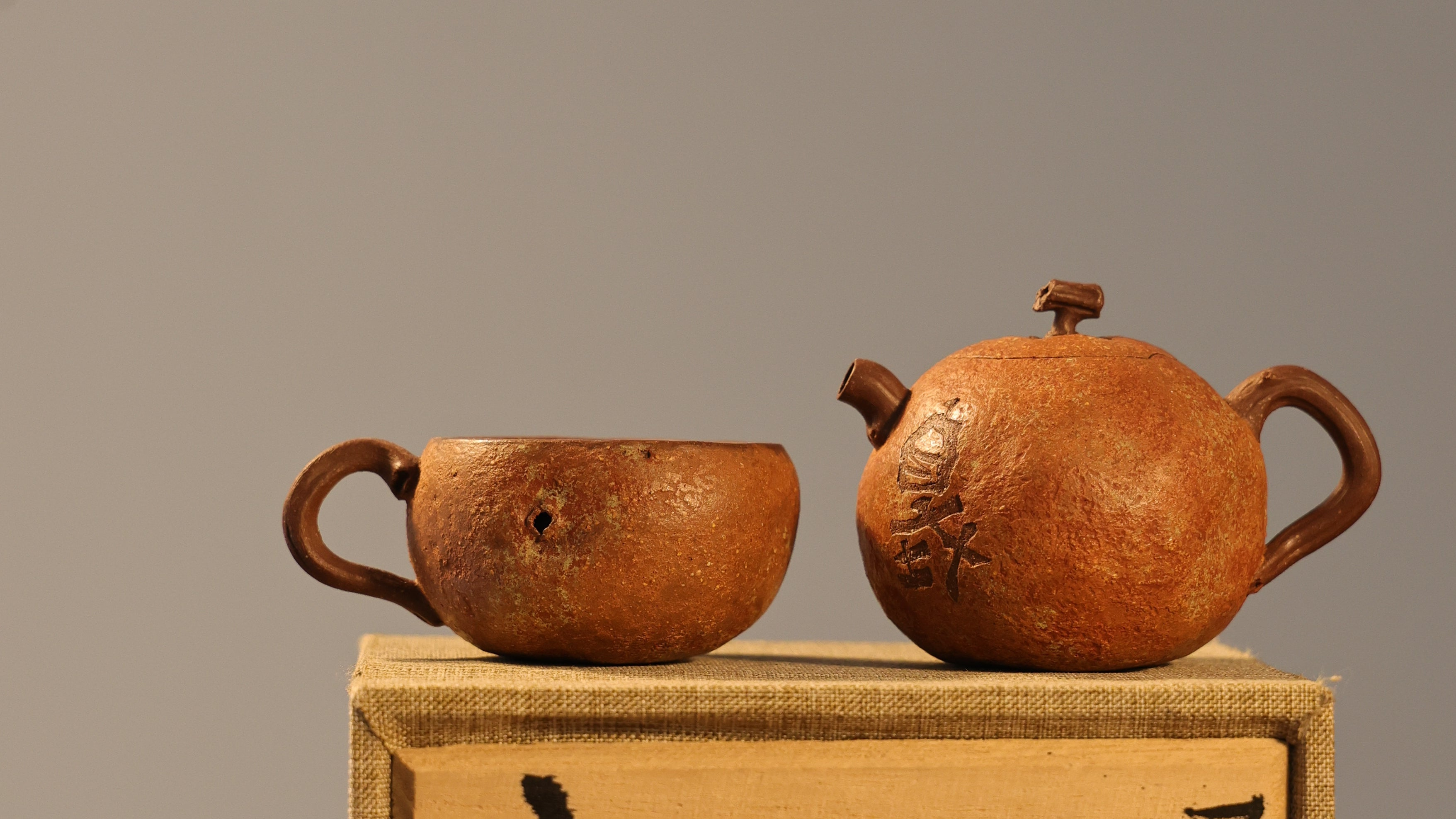
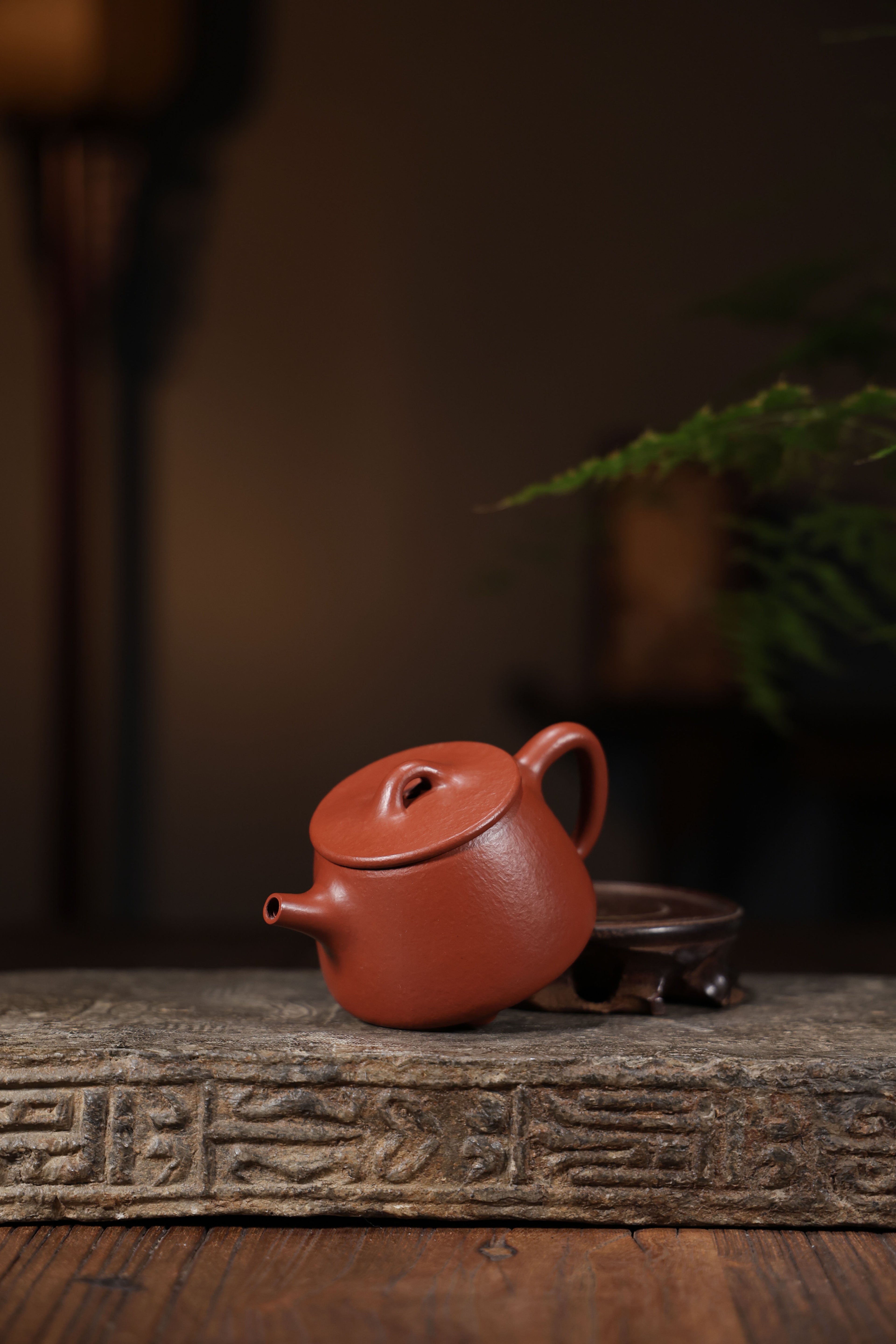
Yixing Zisha teapots hold exclusive unrivaled seductiveness relating to gatherers on a global scale. Distinguished amazing terra cotta vessels, native from the singular Yi-hsing province within Jiangsu district, China, feature more than just brewing tools; they are acknowledged as works decorative beauty and ancestral significance. That finely processed clay, known by Zisha, imparts a understated flavor over the tea, and the ornate designs, often showcasing traditional Chinese patterns, raise their built-in value. Purchasing a genuine Yixing Zisha teapot involves a rewarding journey, asking for careful investigation and an appreciation of the various factors influencing its uniqueness.
Understanding Yixing Brewing Vessels
Ising clay pots boast a profound legacy deeply interwoven with Chinese heritage. Originating in Yixing, Jiangsu zone, these ceramic jars are crafted from a unique, porous purple earth found only in that singular location. Their formation began during the Ming dynasty, with master craftsmen refining the processes over periods. Distinct types exist, including the classic Hexiang (resembling crab shells), Zhuni (red-brown hue), and Duan Ni (stone-studded) – each with distinctive properties. The price of an Yixing earthenware pot isn't solely based Purple Clay Teapot on its size or adornment, but also on the craftsman’s reputation, the mineral's quality, and the vessel's age and condition. Curators often seek out older examples, believing they collect the bouquet of the brew brewed within them over time, further adding to their prominence.- Traditional Tea Containers
- Russet Tea Containers
- Mineral-Stippled Tea Containers
Zisha Teapot Mastery: Skill & Styles
A assembly of Zisha teapots represents a peak of Chinese ceramic ability. Master artisans employ historic techniques, often passed down through heritage, to unlock the full character of this unique clay. Systems involve meticulous shaping by hand, often combined with the stacking method, followed by precise tempering at incredibly intense temperatures in wood-fired kilns. Enhancing is equally crucial; craftsmen utilize authentic clay colors and may incorporate sculpting work to depict intricate scenes or patterns, demonstrating a profound comprehension of the material’s traits and expressiveness. The completed teapot isn't merely a vessel for tea, but a testament to a substantial cultural custom.
The Claywares: Special Introduction to Eysing Tzu-sa
Studying the world of Chinese teapots sometimes commences with Yixing Zisha. These particular clay pottery vessels are made from a unique type of clay extracted only in the Yixing region of the Jiangsu zone province. Noted for its characteristic reddish-purple hue and fine traits, Zisha clay conveys a refined flavor to the liquid and refines with age, evolving into a cherished collectible. Acquiring Yixing Zisha clayware is more than just controlling a handsome object; it’s a salute of practice and finesse.
Surveying Yixing Zisha: Genuine Nature & Value
Venturing into the market of Yixing Zisha artifacts can be incredibly fulfilling, but necessitates a thorough knowledge. Veracity is essential; numerous replicas are present, often deceptively forged. Educating yourself about ancient tempering procedures, special terracotta traits, and the hallmarks of renowned artisans is wholly imperative. What’s more, knowing the intricacies of the market trend – influenced by determinants such as antique consequence and the appearance of the piece – is fundamental to fruitful collection.
- Researching roasting heritage.
- Engaging experts for attestation.
- Evaluating auction behavior.
This Skill of Brewing with a Terracotta Brewer
The rare allure of a Zisha equipment lies not just in its beautiful appearance, but also in its distinguished impact on the savor of the tea. These old clay vessels, sourced from singular regions of China, possess a original porosity that gently interacts with the substance and leaves, imbuing the cup with a subtle character. Mastering the approach requires a steadfast approach, understanding how the soil responds to varying degrees and tea types, ultimately leading to a sincerely rewarding sipping adventure.
Protecting Own Heirloom
Proper treatment of your Yixing urn is fundamental to extending its viability. These prized teapots, crafted from rare Yixing clay, accrue a appearance over time that augments their esteem. Consistently rinse the inside part with plain water, avoiding harsh substances, and never use harsh scrubbing tools. Periodic gentle drying with a gentle cloth can encourage in removing spots. Allow your brewery pot to fully dry prior to each preparation
Unlocking Clay: Elements This Clay Pots Exemplify Unique
The acclaimed appeal of Yixing teapots emerges from the singular properties of Yixing clay, discovered solely near Yixing, the Jiangsu area. This remarkable clay, composed of ferruginous soil , boasts a peculiar combination of elements that, through experience, incorporate the essence of the drinks it incubates. This results in a singular aroma for each brew container, allowing it a significance far exceeding its beginning price and supporting to their honored status among collectors.
Locating the Suitable Oriental Earthenware: A Ceramic Directory
Venturing into the world of Purple clay teapots can feel complicated, but understanding the baselines is imperative to selecting a treasured piece. These clay, sourced mainly from the area around Yixing, the Jiangsu district, is celebrated for its exclusive grain and ability to boost the essence of the beverage over age. Reflect on the design, the shade, and the appearance; a authentic Zisha teapot is more than just a container; it's a beautiful creation and a symbol of Chinese culture. Analyze the engraving of the creator for clues to its lineage and potential price.