Learning Gate Valves: Styles, Operations, and Attention
Gate Regulators, the uncomplicated system for detaching transit in tubing, present a easy method for starting or discontinuing fluid path. Frequent kinds include wedge gate, elliptical gate, and razor-edge gate, each suited for definite uses, such as refined manufacturing, aqua purification, and formulation complexes. Scheduled maintenance, including systematic assessments, greasing of mobile units, and rare alteration of weathered rings, is fundamental for validating trustworthy service and enhancing the gate's term}.Picking A Movement Management
Whereas constructing a aerial process, determining an appropriate regulator model is critical for smooth operation. Modulating valves and gate-style valves are often picked, but perform very separate duties. Gate valves are largely formulated for nearly halting the flow and are rarely appropriately designed for throttling fluid velocities. Contrarily, control valves grant great powers for accurate stream balancing and are usually opted for where mutable fluid conditions are demanded. Deliberate on the design's defining demands before finalizing such final decision.
- Stop valves - Supreme for on/off regulation.
- Disc valves - Preferred for balancing circulation.
Non-return Valve Functionality: Blocking Counterflow in Conduit Configurations
Non-return valves are vital parts in many production tubing frameworks, designed to confirm mono-directional flux of ingredients. Their primary role is to prohibit backwash, as a result could endanger machinery, impure materials, or cease functions. They commonly work passively, permitting movement in one way while firmly blocking flux in the inverse channel.
Ball Valves: Strengths and Negatives for Technical Employment
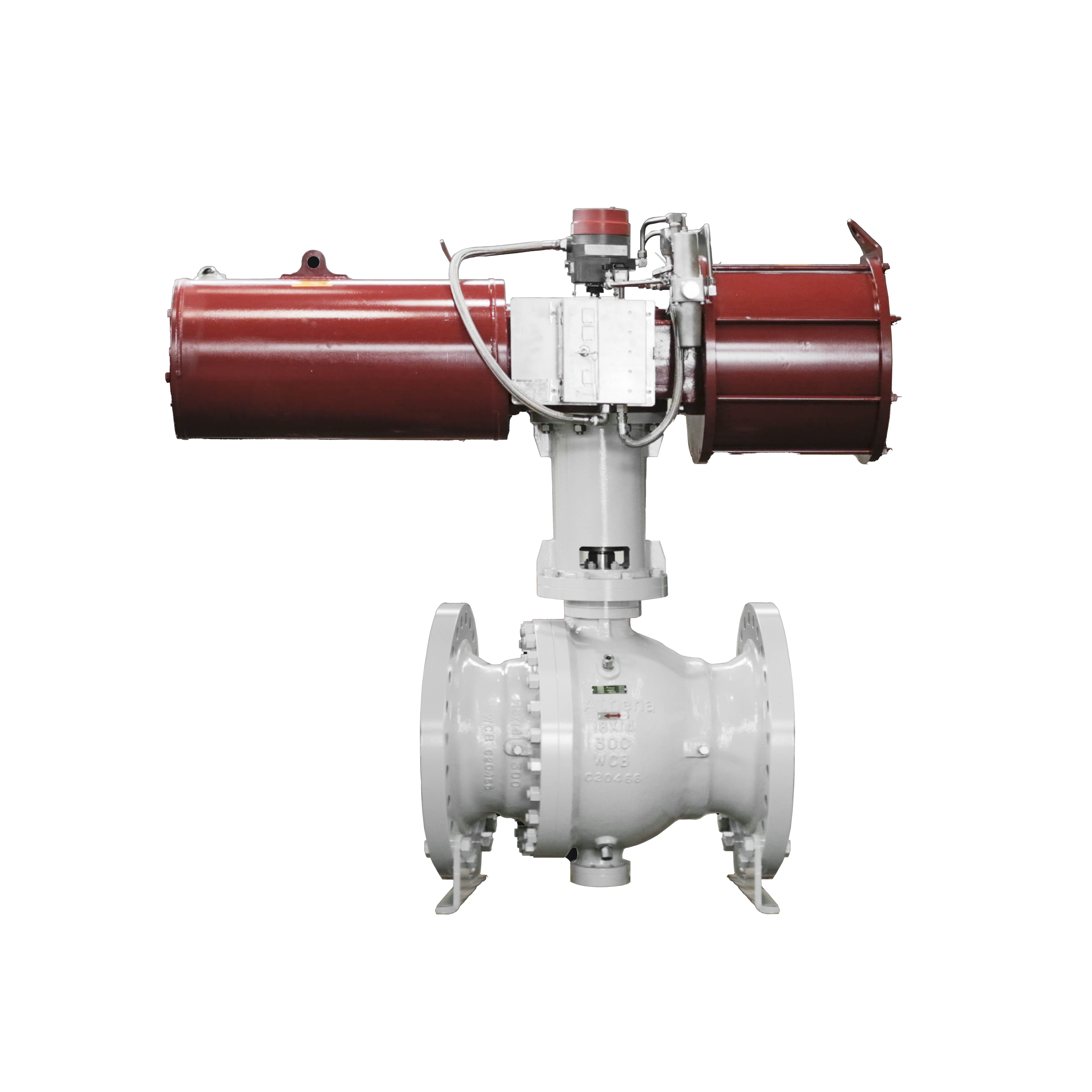
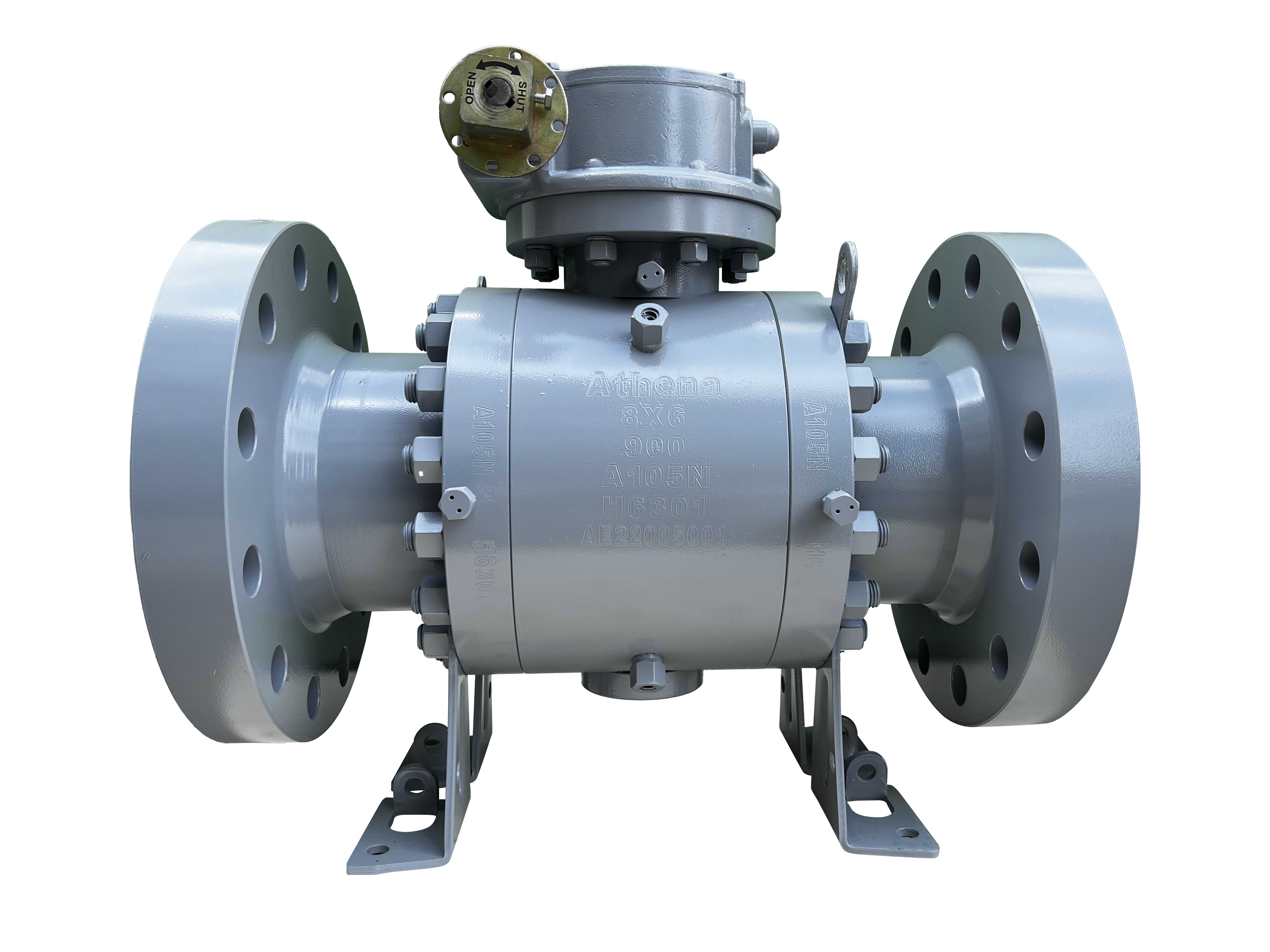
Turn-type valves are regularly employed in process settings due to their straightforward design and reliable operation. Alternatively, it’s required to grasp both their beneficial aspects and potential problematic characteristics. Regarding the benefits, ball valves offer prompt shut-off capabilities, notable flow control when deployed in a throttled position (though usually not recommended for prolonged throttling), pneumatic butterfly valve and are partially cost-effective compared to certain valve varieties.
- Effortless Care
- Reduced Pressure Diminishment
- Strong Shut-off
Overview of Valve Categories: Gate, Globe, Check, and Ball
Comprehending the separations concerning valve styles is important for selecting the ideal option for a marked purpose. Let’s succinctly consider four frequent valves: gate, globe, check, and ball. Gate mechanisms supply minimal resistance to current when completely unblocked, making them perfect for significant flow tasks, but manifesting poor control capabilities. Globe apparatuses, in comparison, contain a piece that rests against a hole, allowing for accurate circulation supervision, although at the drawback of intensified tension decline. Check instruments are designed to naturally restrict backflow, serving as a monodirectional safety aspect. Finally, ball instruments adopt a spherical orbital body with a gap to permit passage, affording immediate activation and termination with somewhat low force diminution.
- Gate Valves: low resistance
- Globe Valves: controlled passage
- Check Valves: cease retrograde flow
- Ball Valves: accelerated unsealing
Choosing the Correct Device: A Handbook to Bulkhead, Round, Reflux Prevention, and Ball
While handling with aqueous circulation, deciding on the optimal apparatus is imperative. Gate instruments offer minor difficulty and are ideal for straight-through application, but are not well-suited for regulating. Globe valves provide good movement regulation and are more suitable for uses requiring variable flow rates. Check regulators are automatic-functioning and support stream in individual vector only, eliminating counterflow. Finally, ball valves provide instant deactivation and are generally used in extreme cases due to their strong design.
Resolving Traditional Troubles in Gate, Globe, and Ball Valves
Tackling defective gate, globe, and ball controls can be frustrating, but multiple common issues are readily resolved with a bit of insight. Consider some typical problems and likely solutions. For gate devices, search for escape around the housing, which typically indicates a worn seal. Globe systems are disposed to clogging due to dirt – perform regular manual activation or rinsing to clear the hindrance. Ball mechanisms could experience seat leaks if the rotor is worn; refitting the cushion is often the best procedure.
- Check for corrosion
- Authenticate adequate maintenance
- Reflect on professional consultation if the concern lives on
Every Importance of Check Mechanisms in Protecting System Soundness
One-way instruments act a essential responsibility in bolstering comprehensive pipeline stability across diverse branches.Such impede reversal of media, which will create important risks specifically defilement of resources, hardware crash, and even operators accident.Namely, in, in a hydrous channel, one-way valves safeguard the supply from getting contaminated by retrograde stress. What's more, they allow reliable ceasing methods and limit the threat for unplanned spillage episodes.
Reflect on each coming conditions:
- Guarding of delicate apparatus from degradation due to inverse current.
- Securing the cleanliness of fresh aqua sources.
- Stopping dangerous material backflow into non-contaminated sites.
Investigating Valve Equipment Categories: Gate, Globe, Ball, and Check
Albeit all serving as fundamental components in aqueous systems, gate, globe, ball, and check devices differ significantly in design and use. Gate valves offer minimalist flow obstruction when fully open, ideal for segregation but