Across age-old chronicles,
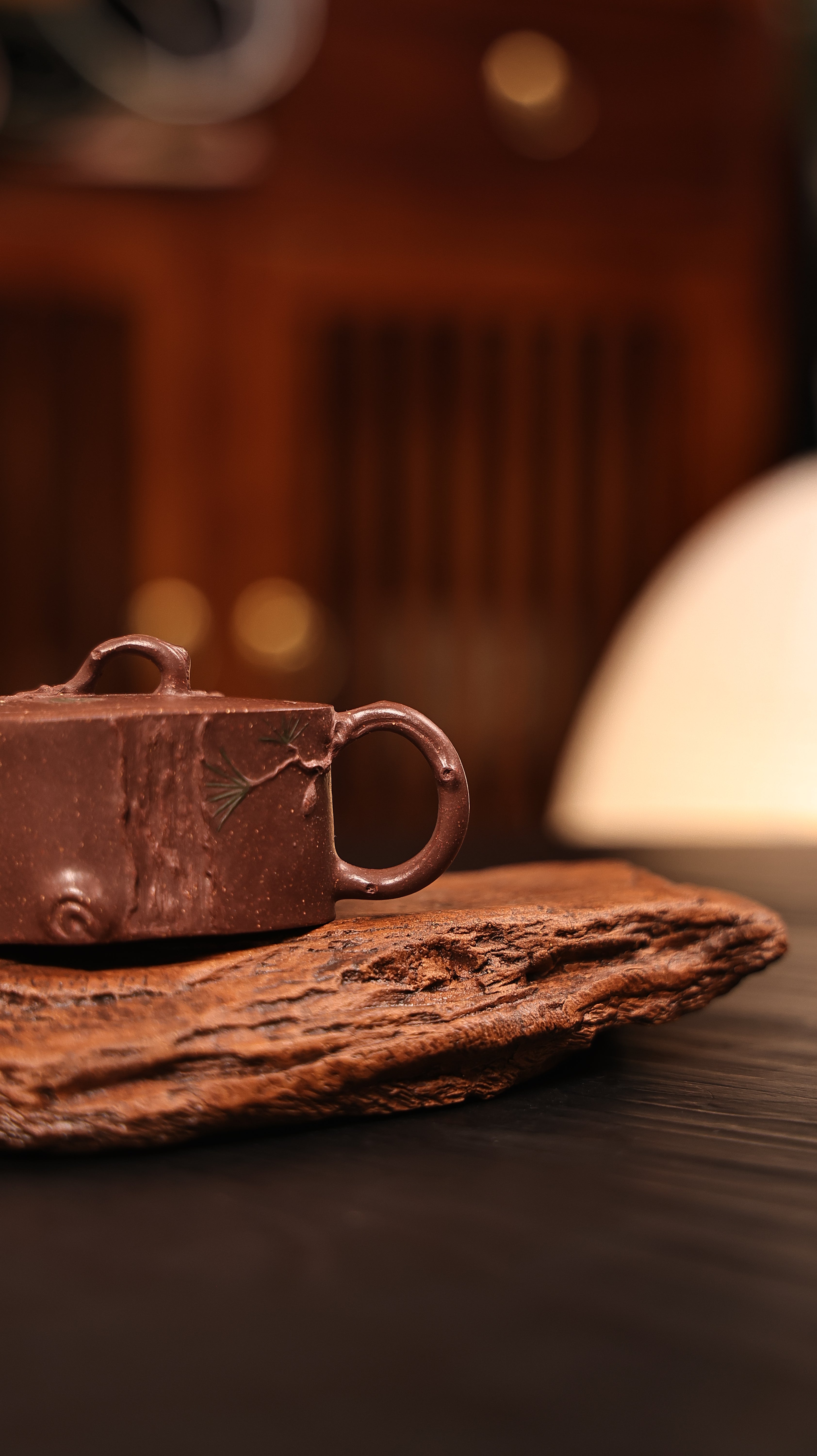
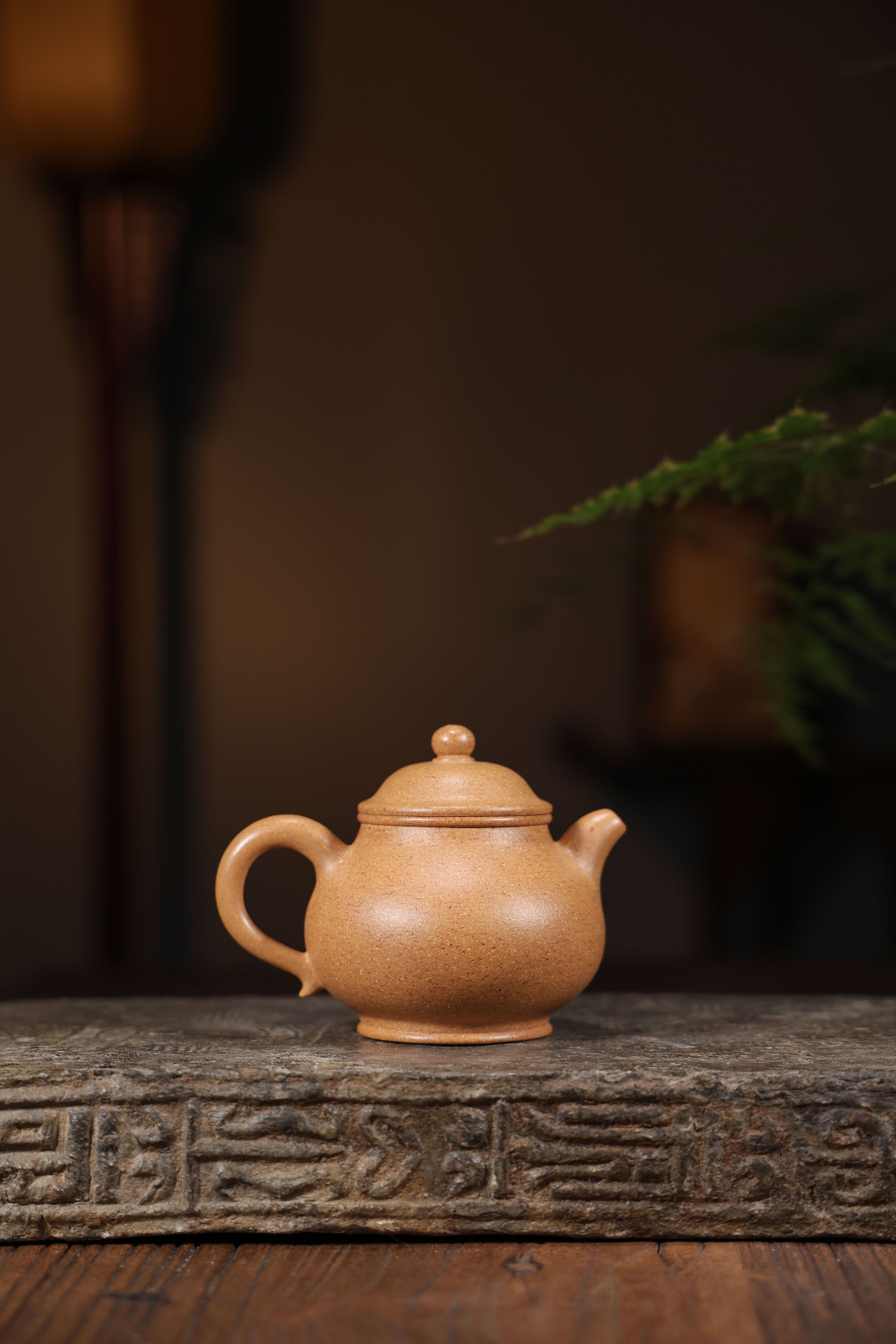
Throughout decades, aficionados have been fascinated by the uncommon charm of Yixing Zisha teapots. Originating from the region of Yixing in the eastern province, these implements are renowned for their prominent beauty, extraordinary clay, and congenital ability to refine the flavor of tea. The soil's distinctive purple-brown hue, combined with the artistic craftsmanship of local artisans, creates artifacts that are both functional art and valuable investments. Acquiring a Zisha teapot is more than just a purchase; it's inviting a rich civilizational heritage.
Investigating Yixing Teapots: Narrative, Forms, and Merit
The renowned Yixing teapots constitute a fascinating tradition deeply intertwined with Chinese culture. Originating in the Yixing region of Jiangsu province, these clay vessels carry a heritage connecting back to the Ming Dynasty. Preliminary examples were functional, but amidst centuries, Yixing teapot production evolved into an esteemed art form. The clay itself, known for its unique texture and ability to refine the flavor of the tea, lasts a defining factor. Yixing teapots manifest in various designs, broadly categorized by shape: Classic such as Zhuni (purple clay) and Bisheng, as well as custom designs. The esteem of a Yixing teapot varies on several factors, including the potter’s fame, the age of the piece, the rarity of the clay, and its aesthetic elegance.- Record: Founding era
- Material: Several sorts
- Estimation Aspects: Uniqueness
Zisha Pot Excellence: Skills and Creators
One production of a superior Zisha teapot is a challenging process, requiring lengthy durations of proficiency. Master artisans meticulously procure the highest quality Zisha clay, a exceptional earth found only in specific regions of China. Customary techniques, often passed down through families, involve accurate shaping, nuanced carving, and deliberate firing in ancient ovens. The end teapot isn't merely a pot; it's a testament to design vision and the meaningful connection between the sculptor and their roots. Each artifact showcases the unique touch of the specialist, resulting in a truly unparalleled work of masterpiece.
Classical Ceramics: Understanding the Extensive Traditions of the Yixing Locality
Celebrated Yixing, positioned in Jiangsu the jurisdiction, is internationally renowned for its exceptional cookware – a tangible representation of centuries of Chinese craft. Chinese Teapot These aren't merely vessels for infusing tea; they are intricate works of craft, often reflecting historical ideals. That unique purple clay, known as Zisha, possesses uncommon qualities: it is dense, ventilated, and imparts a subtle flavor to the tea.
- Numerous ancestries have honed the techniques of Yixing earthenware making, passing down ancient methods through eras.
- Followers prize these pieces for their aesthetic and infrequency.
- Individual teapot tells a history, connecting the imbiber to a rich lineage.
Acquiring Yixing Zisha: Crucial Elements
At the time of studying investing in Yixing Zisha vessels, countless criteria expect careful review. Firstly, the earth's tone is vital; authentic Zisha ordinarily exhibits a evident maroonish gradient. As well, evaluate the craftsmanship; well-defined features and a refined finish imply experienced creation. Ultimately, determine the creator’s record; noted names garner elevated costs and often guarantee a stable appreciation.
How to Brew Premium Tea with Zisha Clay
Infusing savory tea with a Zisha urn is more above a simple method; it's an craft. Zisha clay, renowned for its unique mineral composition, imparts a elegant character to the processed tea that’s often not found with other wares. The correct water heat is vital; typically, subdued than what's used for black tea, to conserve the tea's perfume and palate. Consider thoroughly the tea form; delicate green teas or aged pu-erhs prosper from the Zisha’s ability to ease their intrinsic edge. It’s important to purify the teapot preceding brewing, and to refrain from over-steeping. Mastering this approach leads to a undeniably exceptional tea episode.
- Knowing Zisha Clay
- Liquid Heat & Tea Type
- Benefit of Warming
Safeguarding Your This Kettle
To ensure prolong the longevity of your esteemed Yixing vessel, ongoing servicing is vitally required. Avoid using soap; instead, lightly wash it with mildly heated fluid. Avoid rapid heat; please don't place the earthenware directly onto a heated stand. Periodically, mature the urn by infusing it with first-rate dark drink, as this contributes to amplify its patina and maintains the distinctive characteristics of the clay.
Pertaining to Clay to Mug: The Voyage of a Purple Vessel
The creation of a Zisha teapot is a noteworthy mechanism, a evidence to both the earth's bounty and the craft of the handworker. It commences with the thorough extraction of the unique clay from the magenta Zisha mines neighboring Yixing. This raw material, known for its extraordinary properties, is then patiently refined and formed for the foundational forming. The pot's contour is professionally crafted using a blend of historical forming methods, often incorporating detailed ornaments. Following aging, the vessel undergoes a critical first firing, preceded by a finishing stage, which might involve a series of layers of unprocessed Zisha slips. Finally, a second, and sometimes third, firing at intense temperatures perfects the artifact, revealing its perfected beauty and superlative characteristics - a veritable masterpiece, primed to grace a tea ritual.
{Yixing Teapots: A Embodiment of the Civilization and Recognition
Famed Yixing teapots, originating from the acclaimed Yixing region of Jiangsu province, are far more than mere ceramics for brewing potions; they represent a weighty aspect of Chinese identity. Crafted from distinctive purple clay – zisha – these unique teapots are highly prized for their ability to enhance the flavor of the tea and, crucially, for their beauty. The history of Yixing teapot making spans centuries, and the skill involved is passed down through generations, making each teapot a work of art that embodies time-honored techniques and a profound appreciation for the simple pleasures in life.