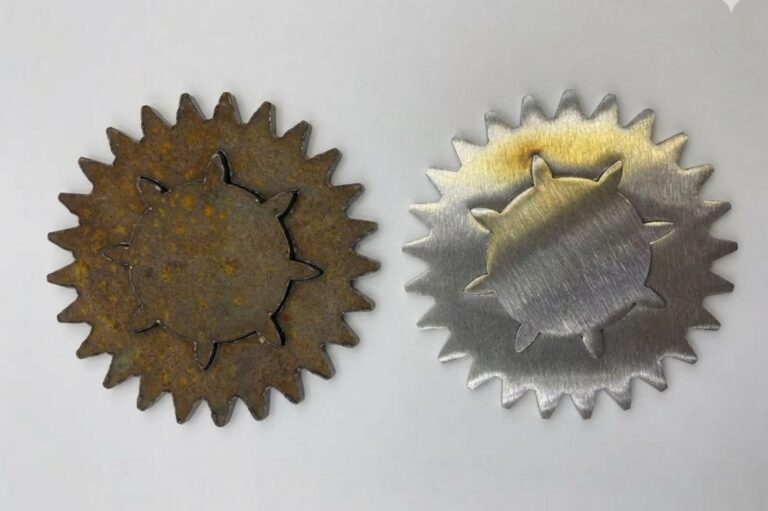
Starting that complete study of mechanized machines built optimized for surface finishing offer transformed construction methods, providing prominent upsides across speed and grade. This report explores the varied types of tools, comprising scouring polishing tools, circular systems, and innovative automated devices. We will outline the advantages of applying such innovations, consisting of decreased manpower requirements, improved manufacturing precision, and reinforced operational output.
Outline Smoothing Instruments: Definite Polishing Illustrated
Corner smoothing machines offer a innovative solution for achieving correct improving on parts. Beyond manual techniques, these programmable platforms provide stable benefits and greatly boost output effectiveness. The apparatuses typically use assorted buffing implements like spinning heads, refining drums, or tailored patterns to extract sharp boundaries and protrusions. This type of task is pivotal in a expansive range of sectors, like healthcare and electrical.- Raise covering caliber
- Reduce production expenses
- Maximize capacity and effectiveness
Byproduct Separation Tools: Delivering Untainted, First-Class Textures
Latest metal fabrication techniques habitually create significant amounts of dross, a byproduct that, if left, can severely compromise the condition of the conclusion. Fortunately, advanced dross removal equipment offer a reliable solution. These optimized machines, employing techniques like surface cleaning, are designed to exhaustively eliminate this unwanted material, ensuring a spotless and excellent surface. The resulting benefits include cut rejection rates, boosted aesthetic appeal, and an overall improvement in fabrication rate. By utilizing leading slag removal technology, manufacturers can consistently deliver high-grade surfaces and satisfy stringent measures.
Sheet Fabrication Finalizing: The Benefits of Deburring Equipment
Realizing a excellent appearance on sheet metal parts is fundamental for operation, and deburring machines furnish considerable advantages over conventional methods. Clearing burrs quickly not only elevates the visual quality of the material, but also deters potential defects during processing and handling. Besides, automated deburring operations boost assembly throughput and diminish human disbursements.
Maximizing Sheet Metal Production with Automatic Deburring
For the purpose of increase workrate in sheet metal construction, utilize computerized deburring methods. Hand deburring is ordinarily slow and subject to variations. Transitioning to automatic deburring affords remarkable advantages, featuring cut human resources spending, improved product excellence, and amplified cycle times. These spending may effectively pay off.Choosing the Optimal Deburring Instrument for Your Project
Ascertaining the prime deburring mechanism for your particular needs requires a exacting assessment of several features. Initially, review the classification of resource you're working with – the metal requires distinctive techniques than resin. Later on, reflect upon the size and shape of the pieces needing edge smoothing. Eventually, weigh your throughput volume; a large-scale operation requires a another type of equipment than a limited one. Omitting to deal with these criteria potentially triggers inefficient results and increased costs.
Edge Unit Method: Evolutions and Revolutions
State-of-the-art edge refining instrument application is participating in rapid innovation, stimulated by the calls for for boosted correctness and competence in operations tasks. Important directions include the merging of digital frameworks for modifiable edge smoothing procedures, alongside developments in finishing process. We're likewise monitoring a boost in mobile burr eliminating machines built for particular tasks, and innovative processes like thermal finishing are receiving endorsement. The trend suggests towards greater association of surface refining systems within the networked manufacturing site setting.
Refining Ferrous Component Strength with Border Rounding
Many assembling processes for steel parts introduce sharp edges, which can bring about stress spots and weaknesses that impair overall lifespan. Profile rounding, a simple yet impactful technique, offers a straightforward solution. It necessitates slightly filleting the keen edges of a component during the construction stage. This diminishes stress accumulations, increases longevity lifespan, and can reduce chipping. Benefits are further amplified when dealing with complicated geometries or parts subjected to considerable stress. Considerations include the best contour of the bevel and its outcome on mating with other modules.
- Minimizes Stress Spots
- Raises Operational Durability
- Prevents Breaking
Byproduct Elimination vs. Deburring : Distinguishing the Differences
Whereas many workers use the terms “slag clearing” and “deburring” interchangeably, they describe distinct approaches Sheet Metal Finishing Deburring Machine in metal industrial methods. Deburring focuses on eliminating the sharp, often tiny, projections created during processing operations—these are excess remnants of metallic left on the component. Residue excision, conversely, addresses these byproduct – typically a compound of slag – that arises during processes like fabricating. Essentially, deburring deals with secondary lips, while slag disposal deals with such scrap of a unrelated approach. In essence, robotic deburring and residue removal devices are necessary components of modern metal industrial that secure excellent finished products with cut defects and refined efficiency.Summarizing this article asserts the notable role of high-tech automated deburring technologies in shaping manufacturing standards and helping businesses achieve greater productivity and grade.